Get in touch with Zeyu lntelligent Industrial Company
[ SYS-ORIGIN: SINCE 2005 ]
Automation Equipment Manufacturer
Automation Equipment Manufacturer & Supplier Built for Whole-Factory Production
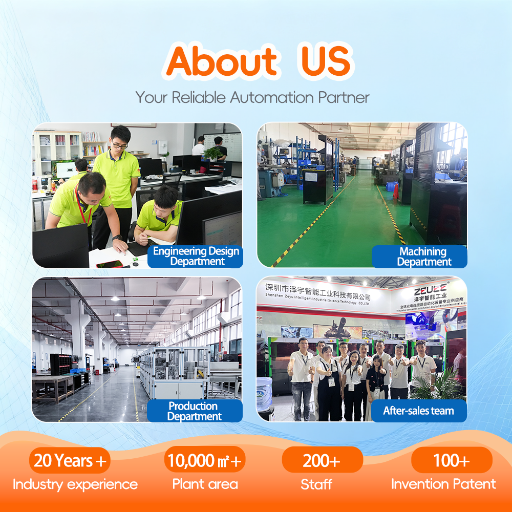
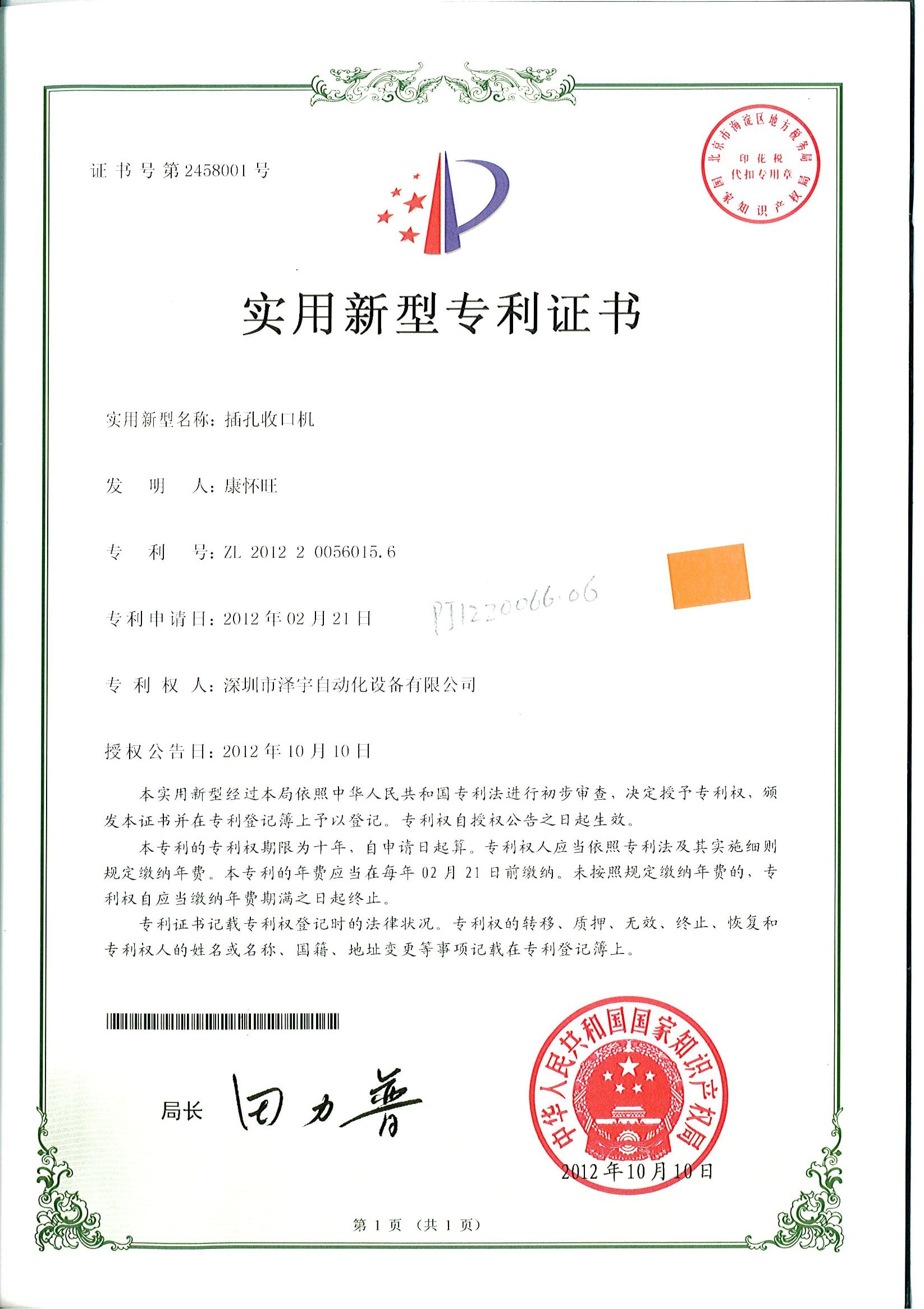
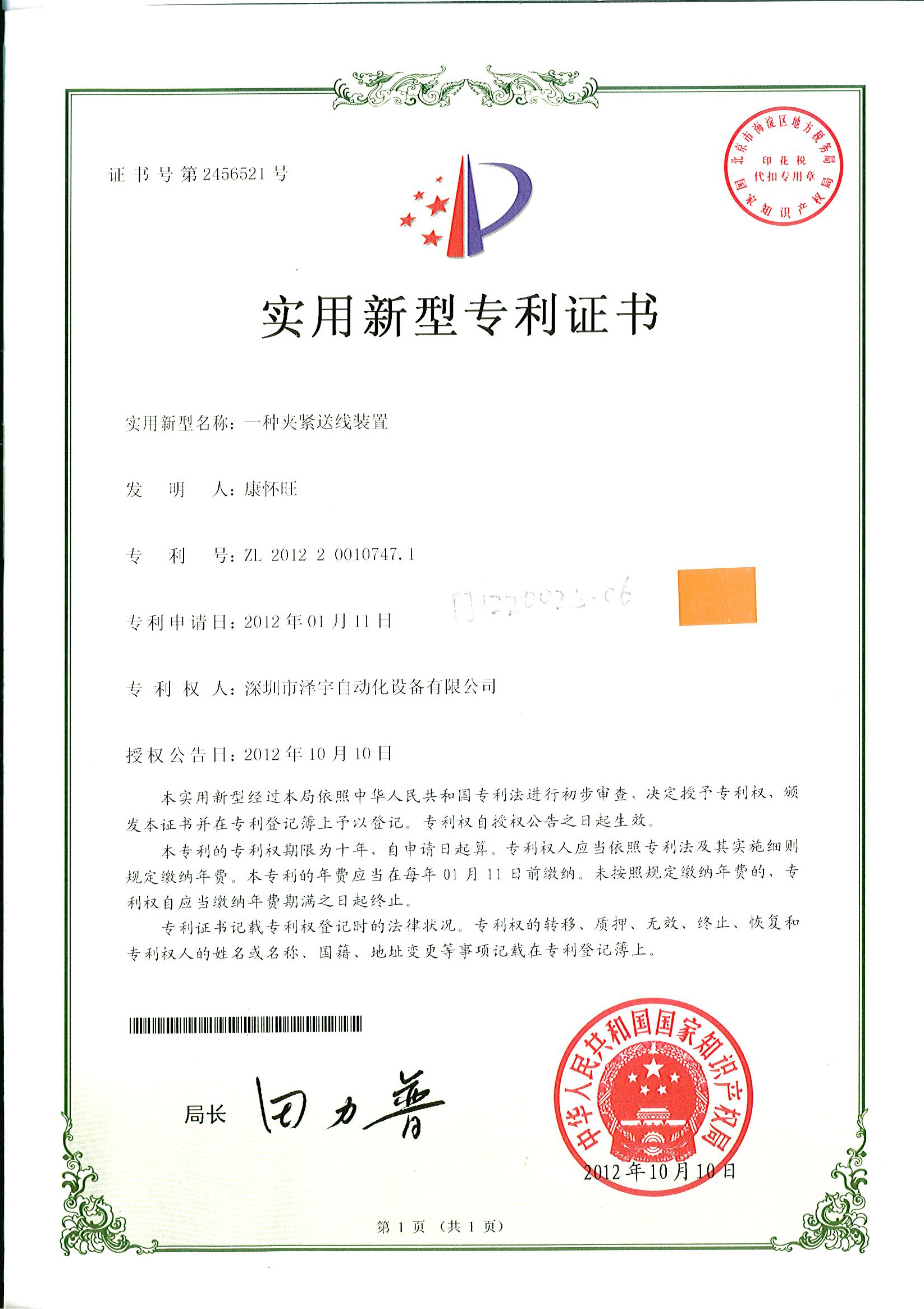
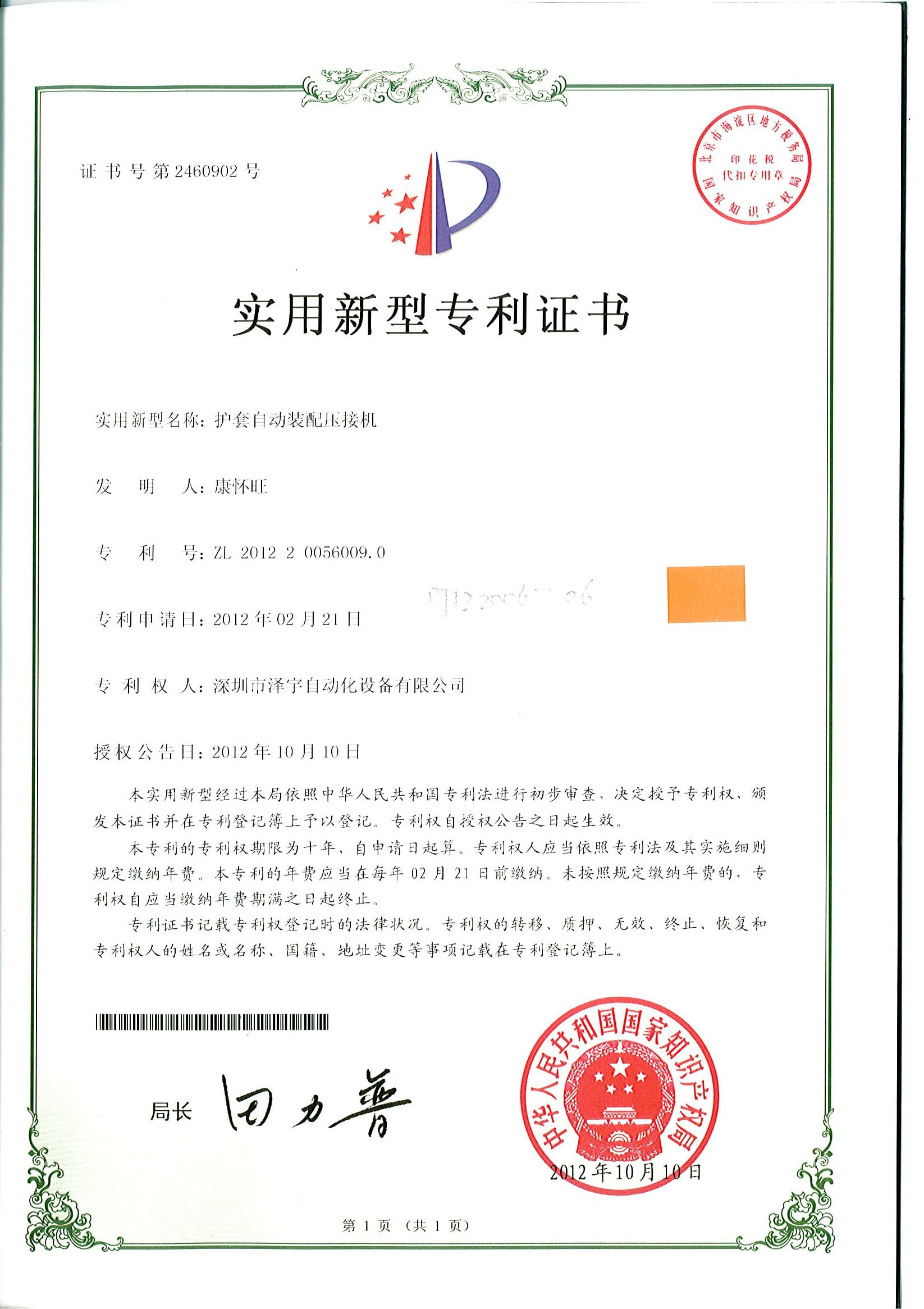
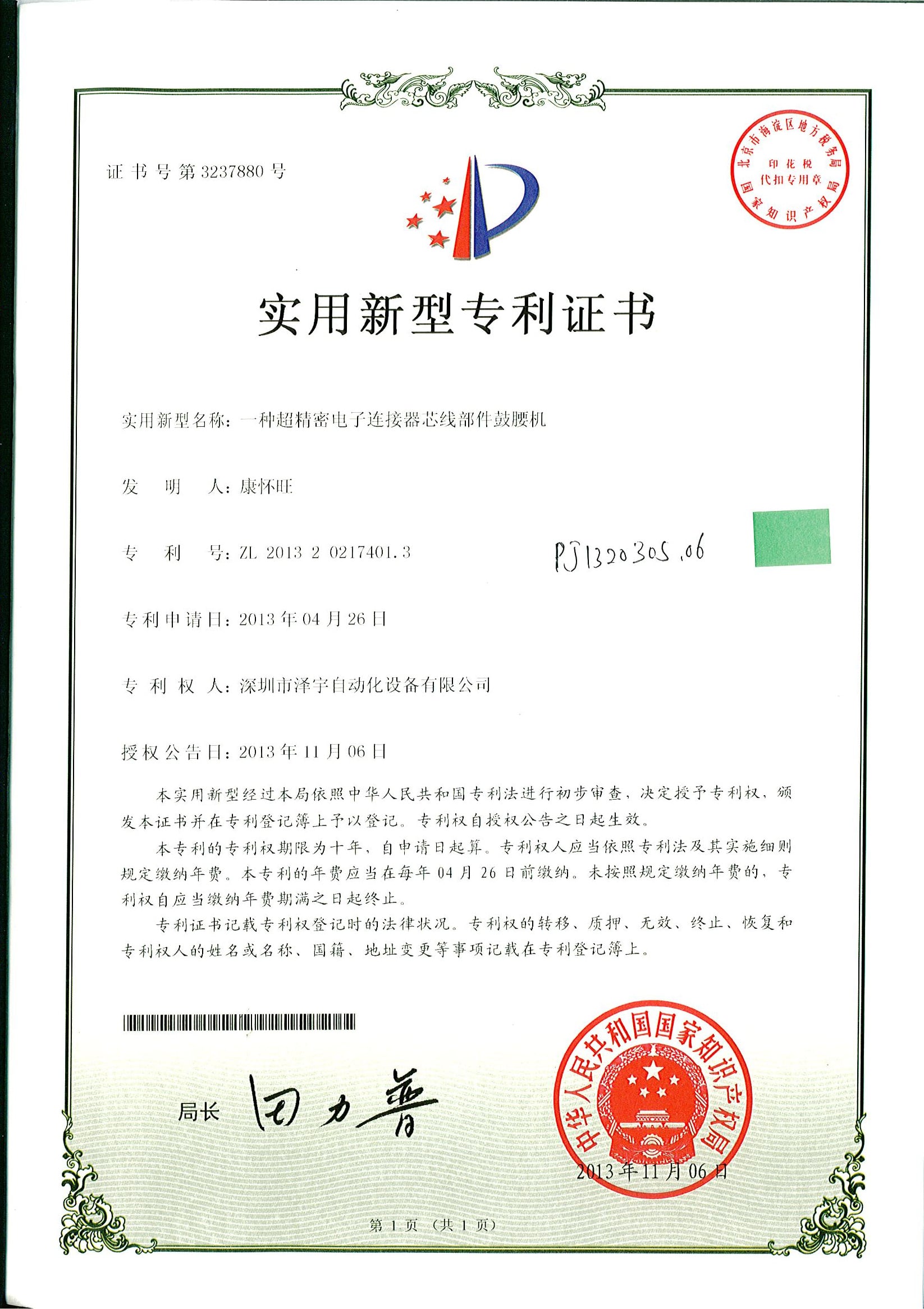
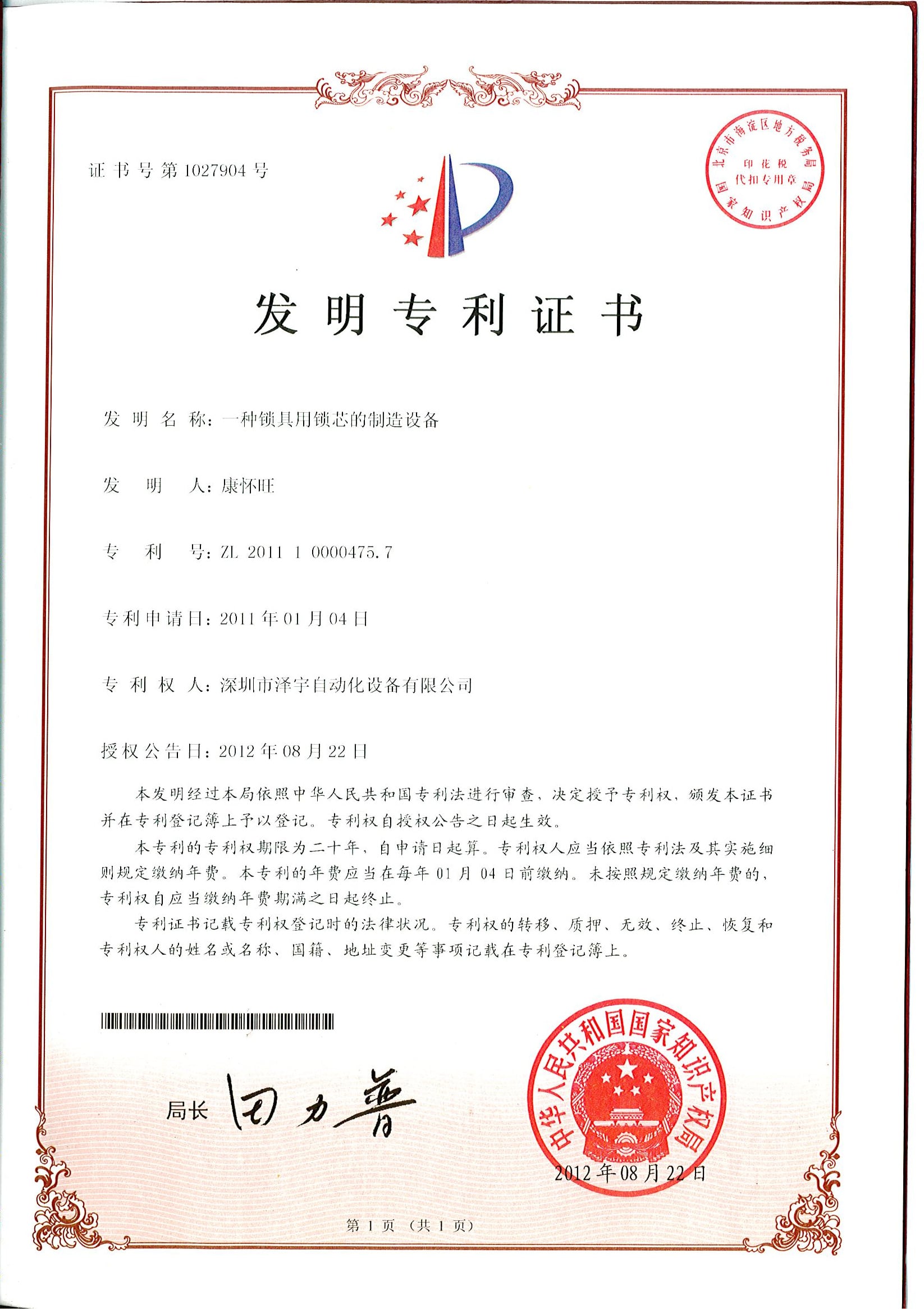
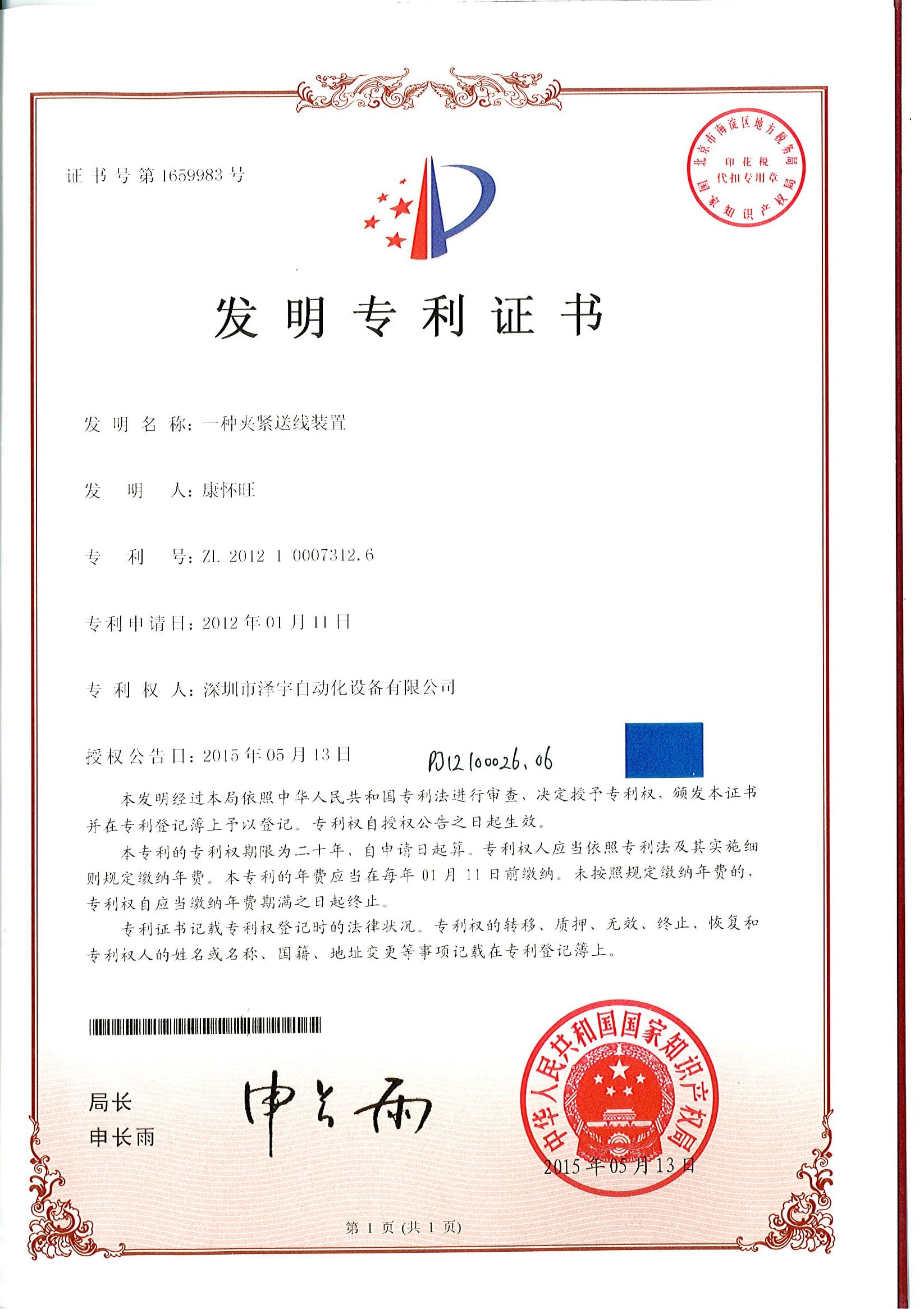
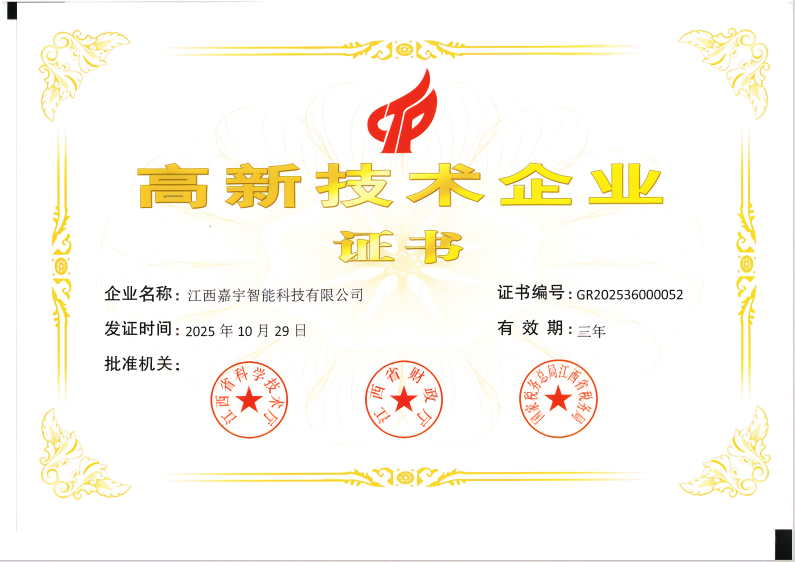
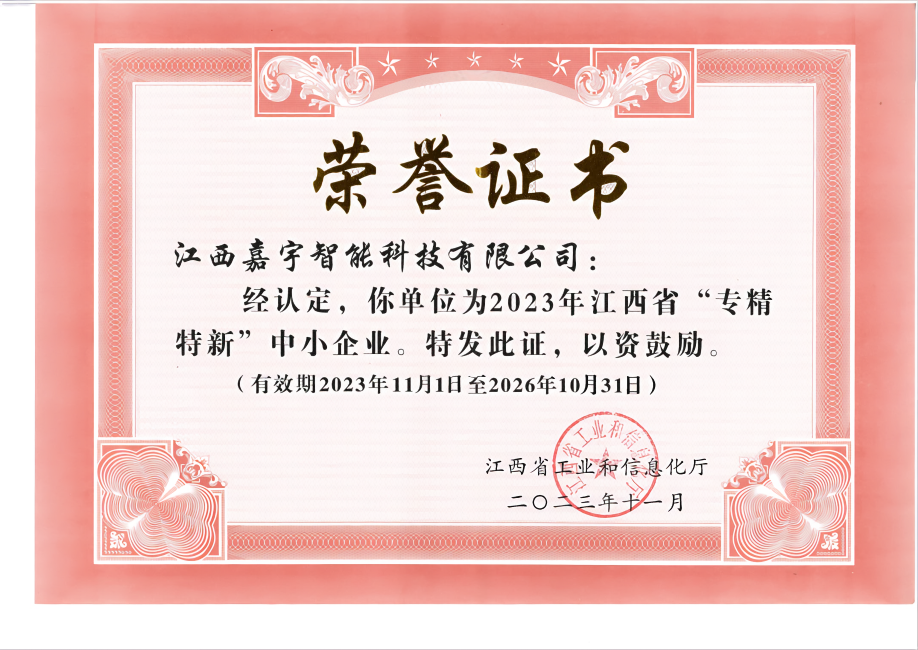
ZEUEE is an automation equipment manufacturer and supplier that designs and builds custom assembly machines, testing systems, and full production lines — not a reseller of someone else’s catalog. Since 2005 our engineers have delivered 10,000+ automation projects to manufacturers in 30+ countries, backed by 150+ patents and an ISO 9001:2015 quality system, from a 20,000 m² production base in Taihe and an R&D headquarters in Shenzhen.
LIVE FEED // PLANT OVERVIEW
EST.
2005
2005
ZEUEE automation equipment manufacturer — 20,000 m² Taihe production base building custom assembly machines and robotic production lines
SYSTEM TELEMETRY DATA
[DAT-01]
20 yrs
Building automation since 2005
[DAT-02]
10,000+
Projects delivered
[DAT-03]
150+
R&D patents (32 invention)
[DAT-04]
30+
Countries served
[DAT-05]
5
Equipment lines
[DAT-06]
ISO 9001
:2015 certified
Why Choosing an Automation Equipment Manufacturer Is Harder Than It Looks
01
SYS-01 / PAIN POINT
Industry Pain Point
Most factories hit the same wall before they ever sign a purchase order: skilled operators are scarce, manual assembly drifts out of tolerance, and a single mis-seated part fails an audit weeks later. Here is the honest version — automation is not always the right answer. When a line runs 50–100 units before a changeover, the math behind a fixed off-the-shelf machine stops working once you add programming, fixturing, and changeover time (NIST Manufacturing Extension Partnership). Buying the wrong machine, or buying from the wrong kind of vendor, is the expensive mistake that scopes a project loosely and then bleeds change orders.
02
SYS-02 / APPROACH
The ZEUEE Approach
That gap is where ZEUEE works. An automation equipment manufacturer earns its keep on the second machine, not the first — value compounds through quality and uptime, not labor displacement alone.
Globally the signal is clear: factories worldwide installed 542,076 industrial robots in 2024, more than double a decade earlier (IFR World Robotics 2025), yet roughly seven in ten manufacturers have automated half or less of their core operations — usually because work stalls at the seams between machines, not because the machines are weak. A real manufacturer engineers automation solutions around your part, your takt target, and your inspection method, then supports the line for the decade it runs.
03
SYS-03 / PROTOCOL
The Maker-or-Middleman Question
Before comparing quotes, answer one question: are you buying from the company that builds the machine, or from a layer between you and the builder? Many industrial automation companies resell a standard unit and ask you to fit your product to it. ZEUEE is a custom machine builder: in-house mechanical design, controls, precision machining, and system integration under one roof. That trade-off is real, and we will not claim otherwise — a custom industrial automation machine takes longer to specify than a catalog unit. But a maker removes the markup, the finger-pointing, and the change-order spiral that a middleman cannot.
Not sure which equipment line fits your part?
Five Automation Equipment Lines ZEUEE Designs and Builds
// SYS.DOC.OVERVIEW
ZEUEE is organized around five core automation equipment lines rather than a single product. Each line is a full discipline — we design, build, and inspect complete automation systems in-house rather than ship loose parts — and most factory projects combine two or three.
Modular, reconfigurable assembly architecture is the direction the field is moving, documented in granted patents such as US11989009B2 (USPTO / Google Patents — modular and reconfigurable assembler system), and it mirrors how we build: stations that can be re-sequenced around your part instead of forcing your part onto a fixed machine. Use the compass below to confirm we already run the process your line needs before you send a drawing.
01
01
// SYS.MODULE.01
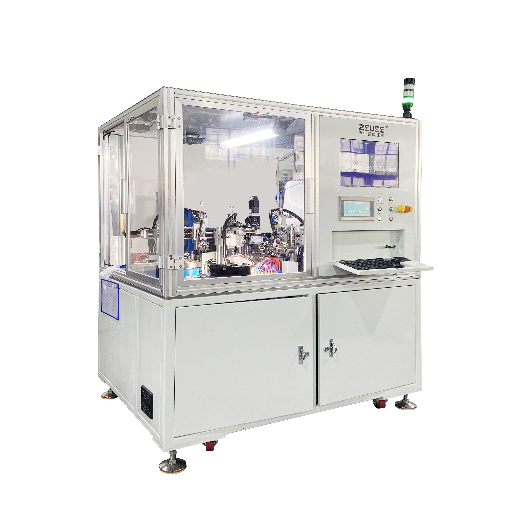
Connector Assembly Machines
Builds
Twist-pin forming, pin/socket insertion, contact assembly with CCD check
Throughput
25–45 pcs/min
Explore Line
02
02
// SYS.MODULE.02
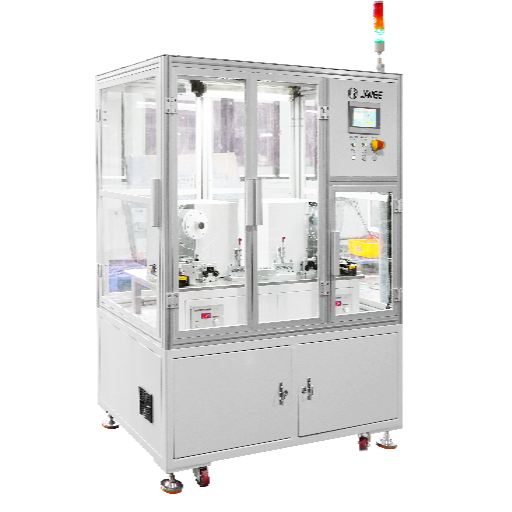
Automated Assembly Machines
Builds
Multi-station SPM, pressing, fastening, dispensing, error-proofing
Throughput
Single → Full Cell
Industries
Electronics, hardware, medical
Explore Line
03
03
// SYS.MODULE.03
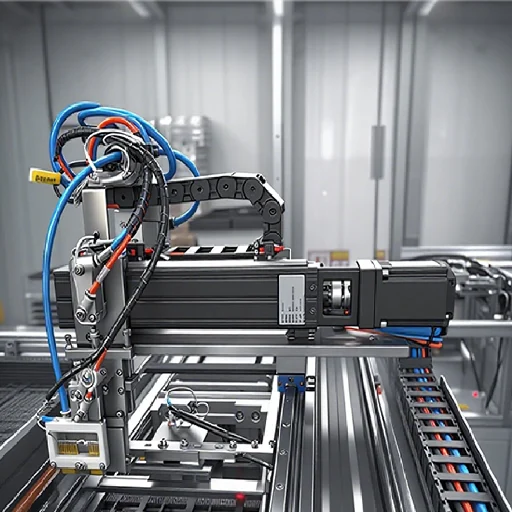
Production Line Automation
Builds
Turnkey assembly lines, conveyors, robotic handling, data logging
Throughput
High-volume Continuous
Explore Line
04
04
// SYS.MODULE.04
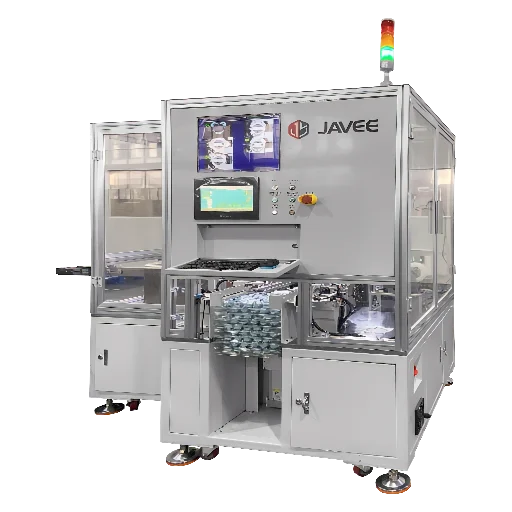
Custom Automation Equipment
Builds
Special-purpose machines engineered to a non-standard part or process
Throughput
Built to Spec
Explore Line
05
05
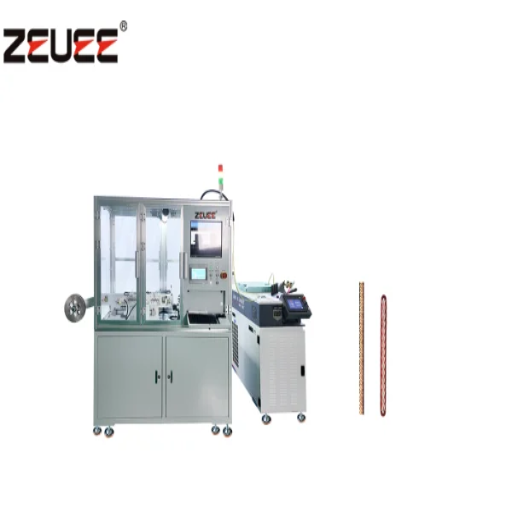
// SYS.MODULE.05
Industries We Serve
Builds
Industry-matched cells with the right standard and inspection built in
Industries
9 Sectors Listed
Explore Industries
SYSTEM READY FOR DEPLOYMENT
Whether you need one automated assembly machinery station or a turnkey factory cell, the engineering discipline stays the same from one line to the next — only the tolerances and the compliance paperwork change. Buyers comparing automation equipment manufacturers and suppliers often start with a single station and grow it into a full line as volumes rise; we scope the first machine so the second one bolts on without a redesign.
[DOC-ID: VENDOR-COMPARE-01]
Automation Equipment Manufacturer vs Integrator vs Distributor
One quote can be 2–3× another for what looks like the same machine. That gap is rarely margin alone — it is the kind of vendor you are buying from and the engineering depth behind the number. A distributor resells equipment; a system integrator assembles components and programs them; an OEM manufacturer designs and builds the machine itself. Our comparison below uses concrete dimensions, not adjectives, so you can see where the hidden cost and the control actually sit.
The honest trade-off: a distributor ships fastest for a standard need, and a local integrator can be convenient for a multi-vendor retrofit. But for a custom line that has to hold throughput and yield for years, buying from the manufacturer removes a markup and a hand-off — and keeps the people who designed the machine on the phone when you need them. ISO 9001:2015 governs that discipline across the build, not just the sales pitch (ISO 9001:2015).
Comparing vendors for a line upgrade?
Book a 20-min Engineering CallDimension
ZEUEE (Manufacturer / OEM)
System Integrator
Distributor
01 Designs the machine
In-house
Partial (integrates others)
No (resells)
02 Builds in own factory
20,000 m² Taihe base
Sub-contracts build
No
03 Custom to your part
Default
Often
Catalog only
04 Price markup layer
None (direct)
+ integration margin
+ reseller margin
05 Owns the R&D / IP
150+ patents
Rare
None
06 After-sales source
The builder
The integrator
Back to OEM
07 Lead-time control
End-to-end
Depends on suppliers
Stock-dependent
Industries We Automate
ZEUEE equipment runs in nine industries, each with its own tolerance regime and inspection standard. The enemy is always the defect you cannot see — a hairline solder bridge, a contact 0.1 mm off-axis, a crimp 5% under pull-force — so we engineer CCD inspection into the station rather than sampling at the end, the discipline that frameworks like IEEE and IPC formalize (IEEE Standards Association). The footprint below maps each sector to the equipment we build for it.
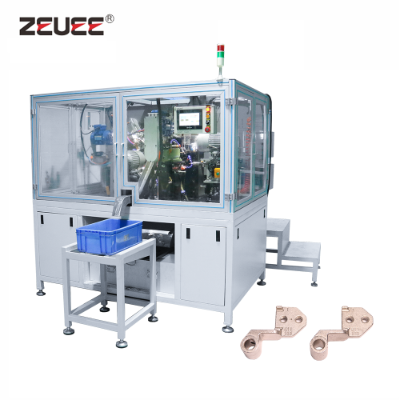
Building door & window hardware
Typical ZEUEE equipment
Hardware assembly & fastening cells
Key requirement
High-mix changeover
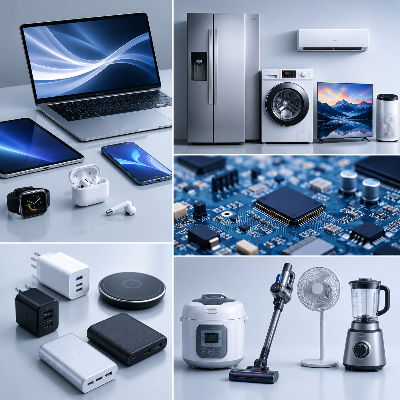
3C electronics & appliances
Typical ZEUEE equipment
PCB / connector assembly at 0.4 mm pitch
Key requirement
First-pass yield
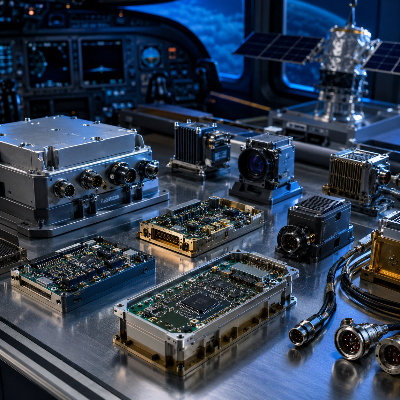
Aerospace electronics
Typical ZEUEE equipment
Twist-pin & circular connector assembly
Key requirement
Per-part traceability
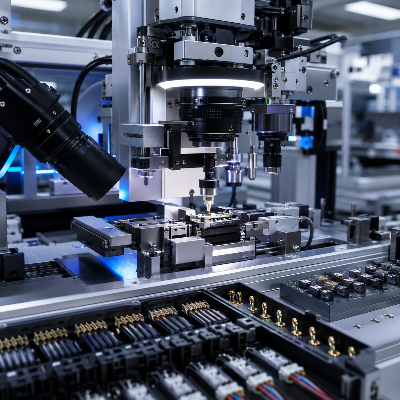
Precision electronics / electrical
Typical ZEUEE equipment
Pin-insertion + CCD verification
Key requirement
0.1 mm-class accuracy
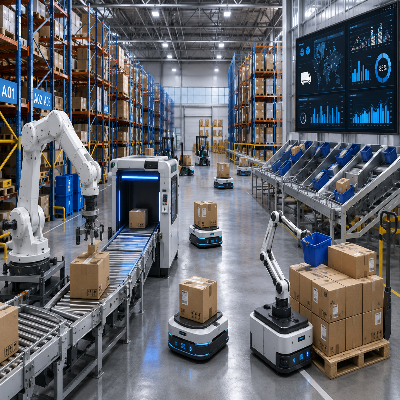
Warehousing & logistics
Typical ZEUEE equipment
Conveyors, robotic handling, AGVs
Key requirement
Throughput & uptime
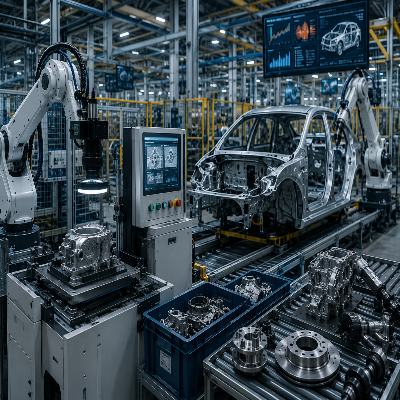
Auto parts
Typical ZEUEE equipment
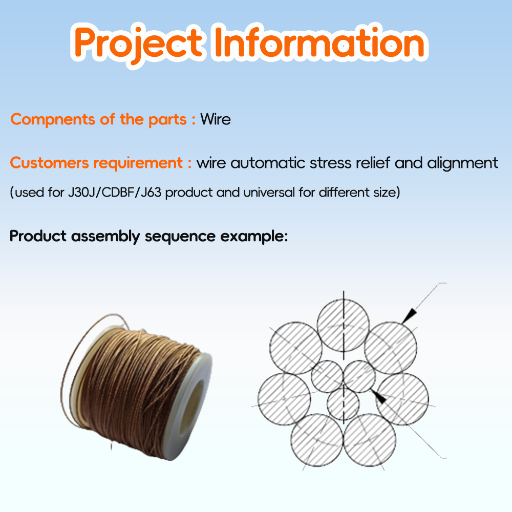
Wire cut-strip-crimp, EV module assembly
Key requirement
Cost-per-part & pull-force
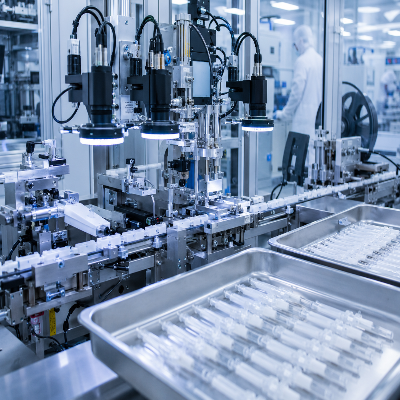
Medical devices
Typical ZEUEE equipment
Syringe / diagnostic assembly cells
Key requirement
ISO 13485-compatible validation
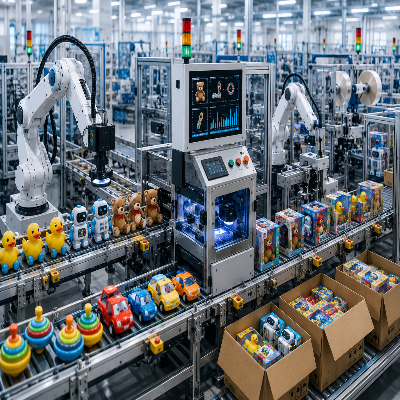
Toys
Typical ZEUEE equipment
High-speed assembly & packaging lines
Key requirement
Safety & volume
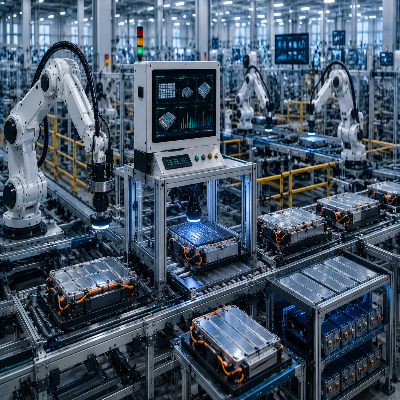
New energy
Typical ZEUEE equipment
Battery-module & cell assembly automation
Key requirement
Repeatability at scale
Proven at Scale: 20 Years, 10,000+ Builds, 30+ Countries
Decision-makers want one number: when does this pay back? Across manufacturing, well-scoped automation typically reaches positive ROI inside the range below — and the most common ROI error is dividing machine cost by displaced headcount, which underestimates true labor cost by 30–60% and ignores scrap, throughput, and lights-out shifts entirely.
🔍 Click img to Zoom
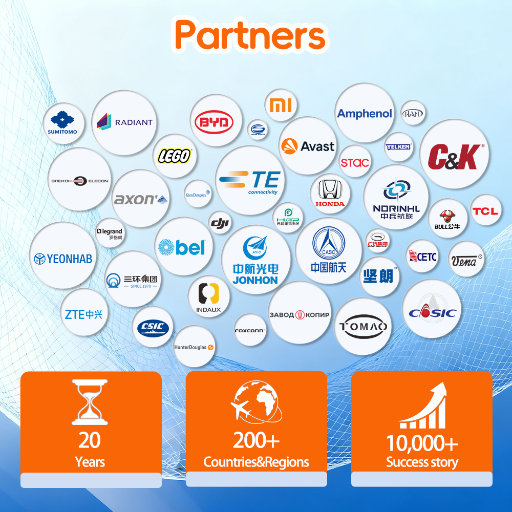
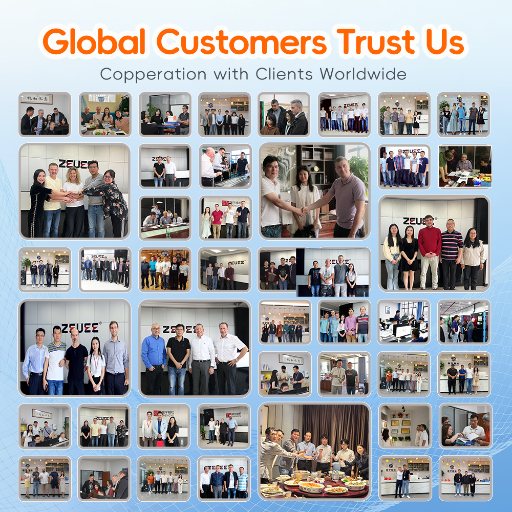
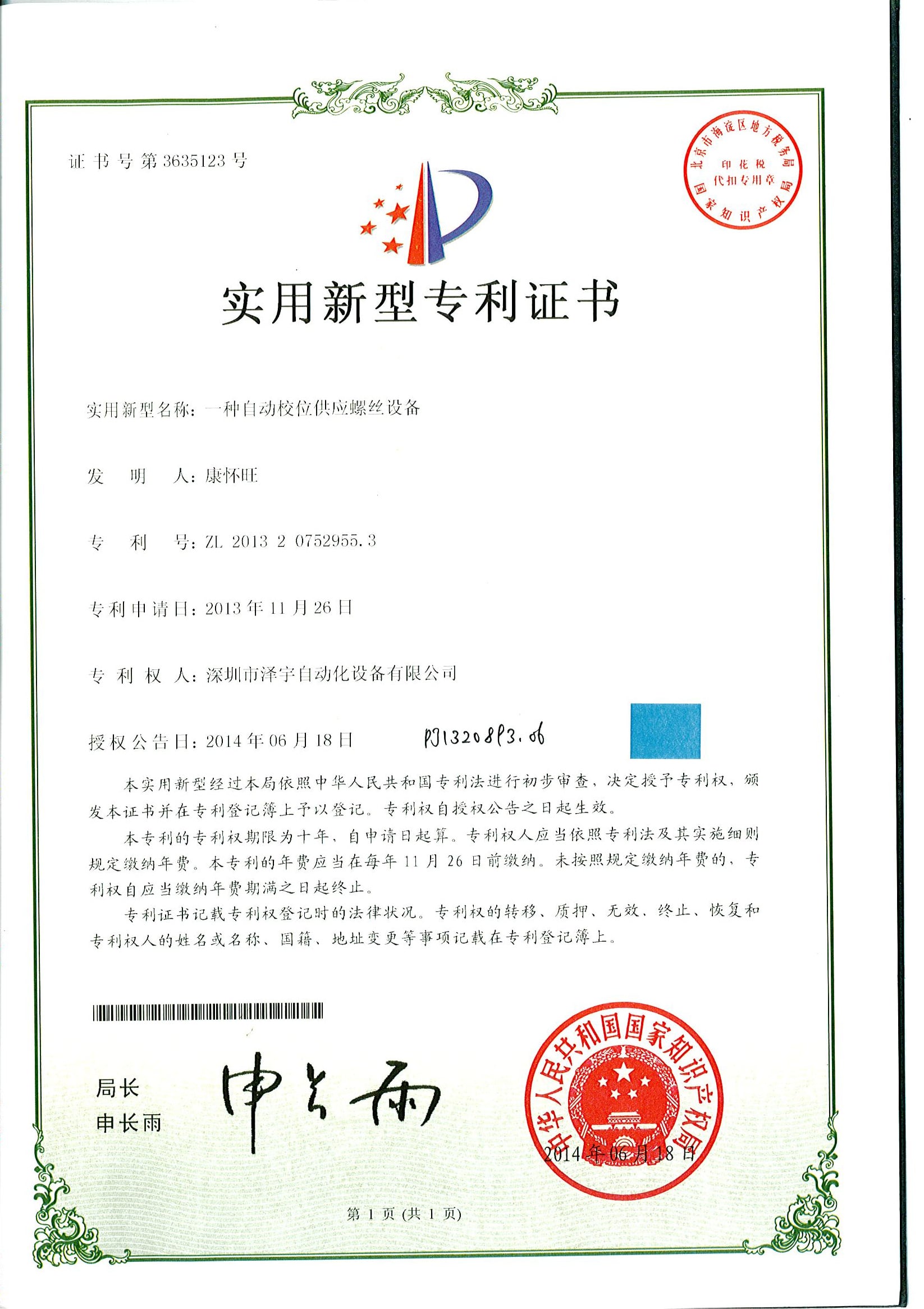
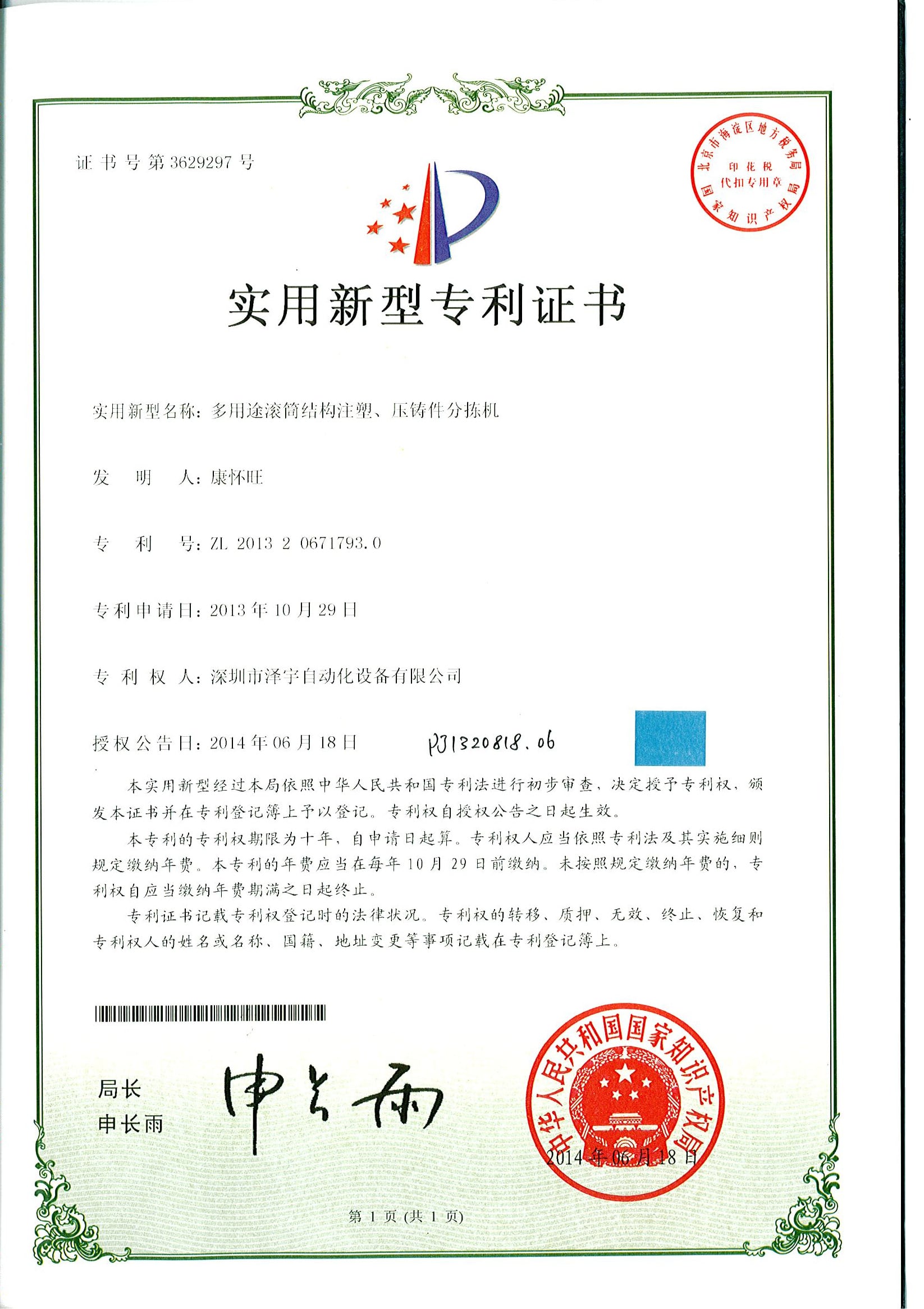
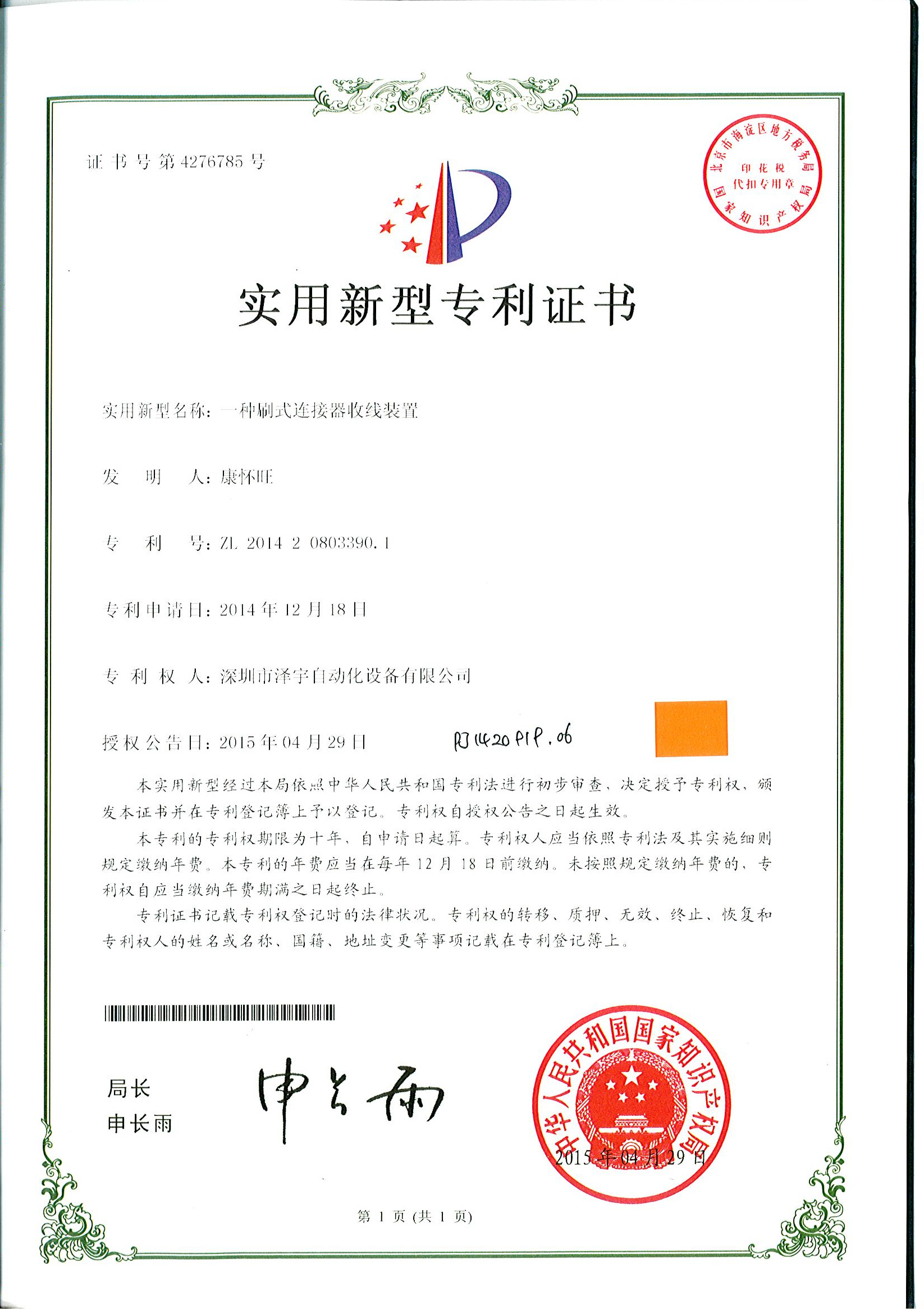
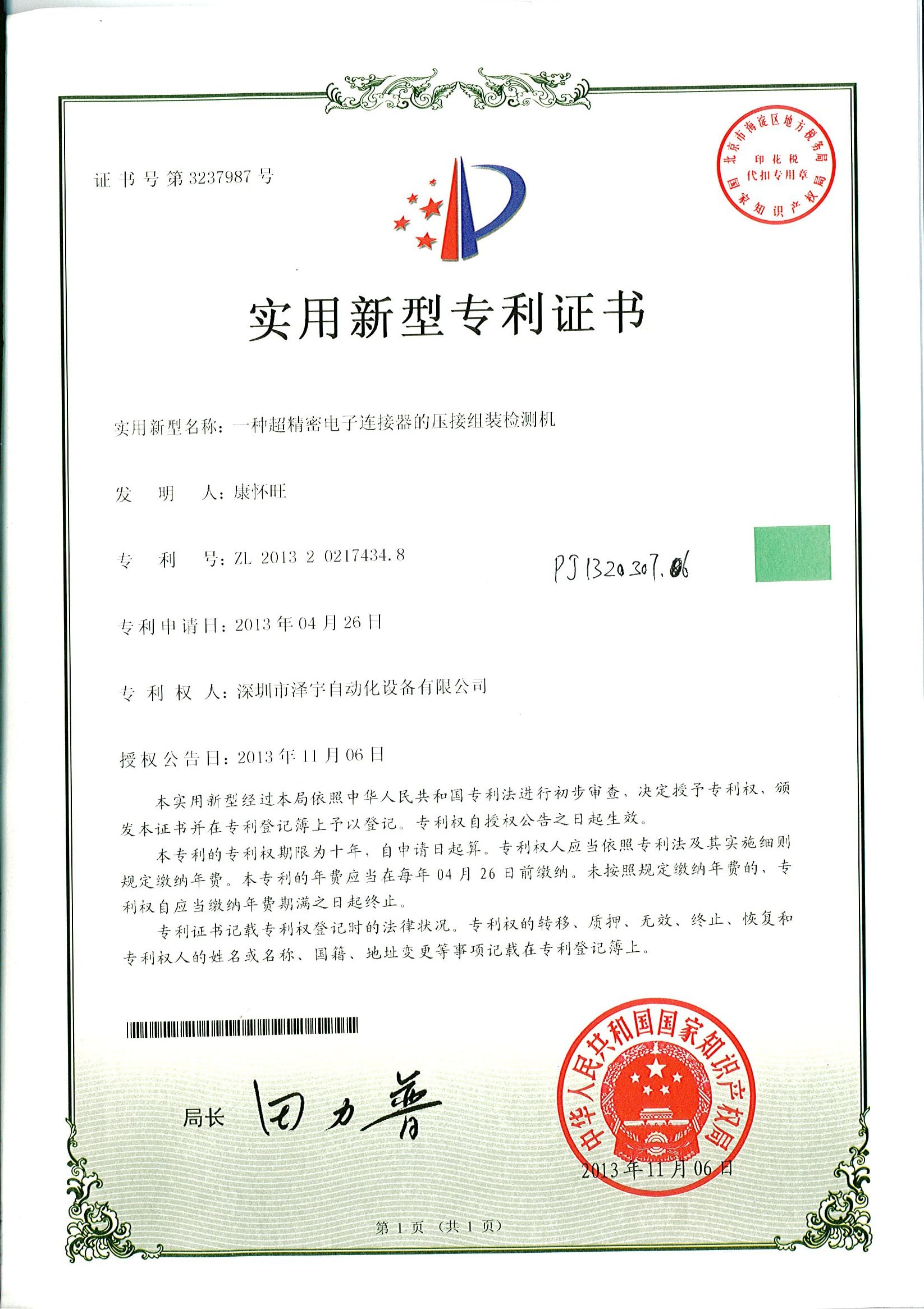
Long-term partners span aerospace, automotive, electronics, and optics — AVIC, China Shipbuilding, GAC Group, Corning (USA), TE, Sumitomo, LEGO, SONY, TCL, and Foxconn. Buyers sometimes worry that a Chinese automation equipment company is a risk; in practice the opposite holds — much of the world’s advanced manufacturing equipment is now built in China.
A 20-year export record across 30+ countries is exactly the signal overseas buyers verify before they commit. Among the automation machine manufacturers and automation solutions providers competing for the same RFQ, that verifiable build record is what separates a partner from a gamble.
“We have built lines for connectors that go into aircraft and for batteries that go into vehicles. The discipline is the same — the machine has to prove every cycle, not just run fast. That is why CCD inspection is engineered into the station, not bolted on after, and why traceability is per part, not per batch.”
— ZEUEE Engineering Team, Taihe basePatent-to-Build Ledger
What separates a vendor that survives 20 years from one that disappears after the warranty is the build record behind it.
Years in operation
20 Survives the warranty periodProjects delivered
10,000+ Likely solved your problemPatents
150+ Owns the IP, not licensingIn-house team
120+ Design & build under one roofProduction base
20,000 m² Builds at scaleExport reach
30+ Proven cross-border support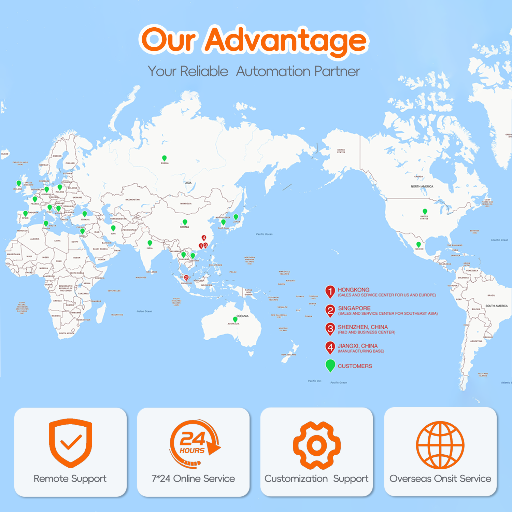
×
![Zoomed Image]()
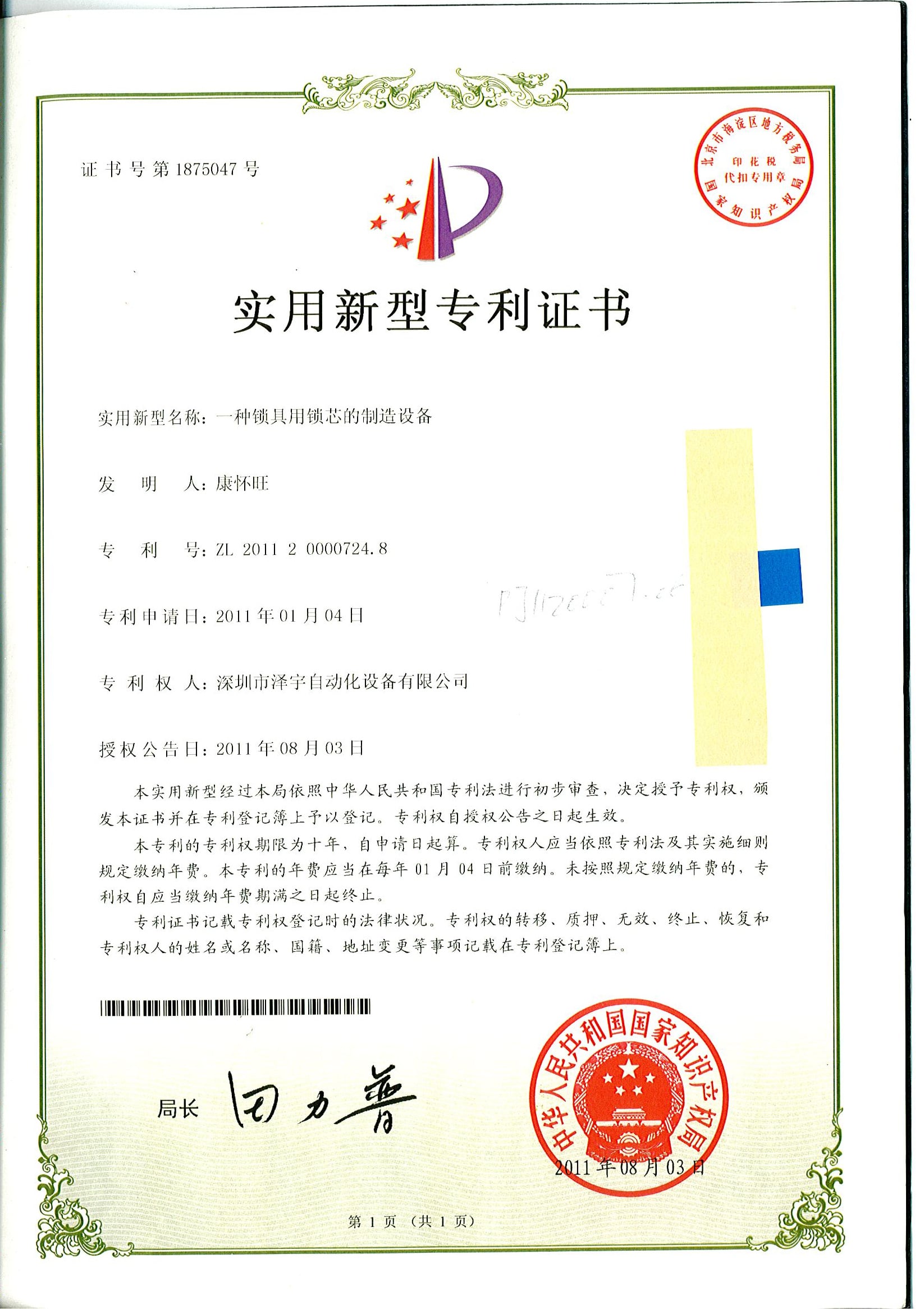
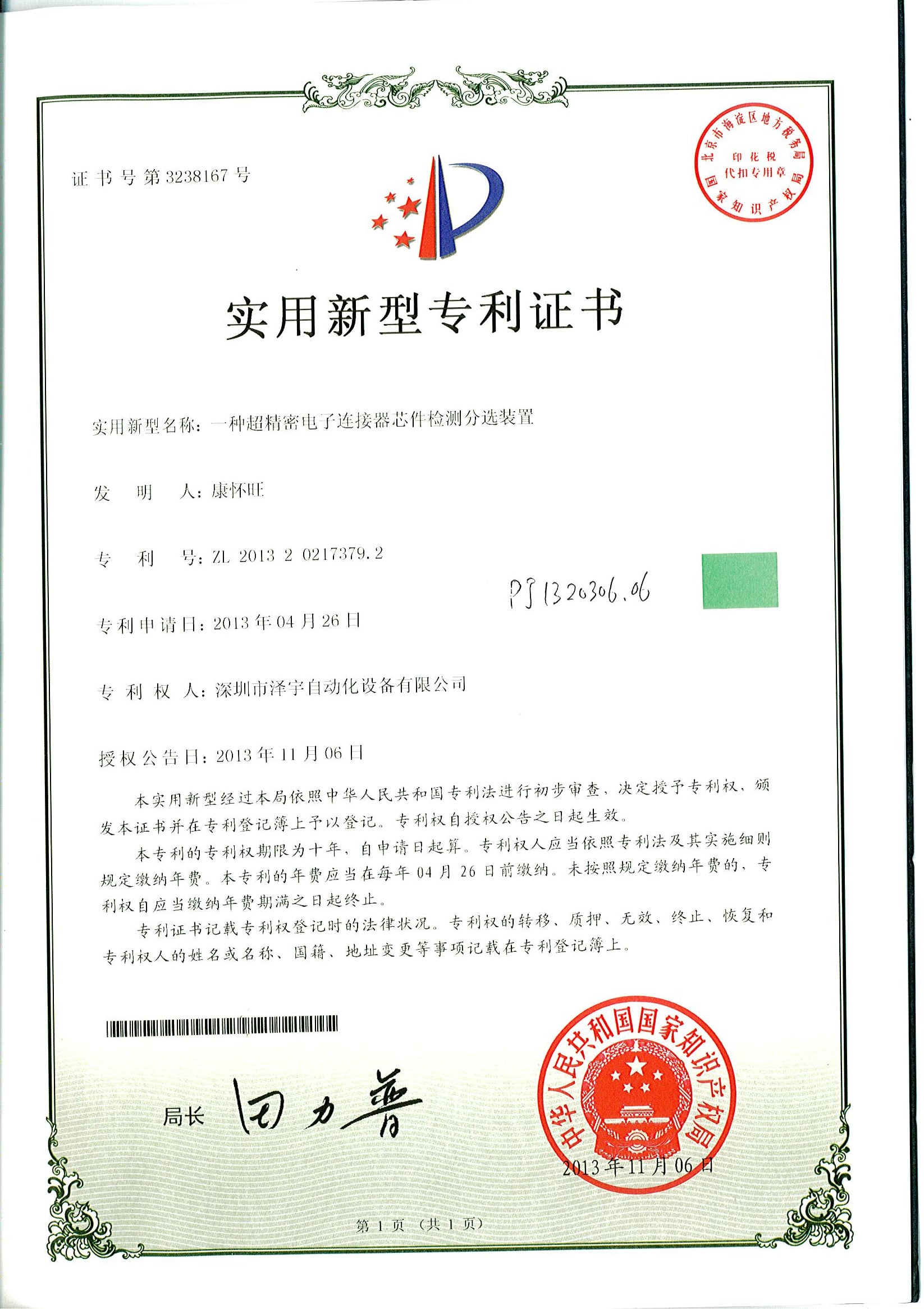
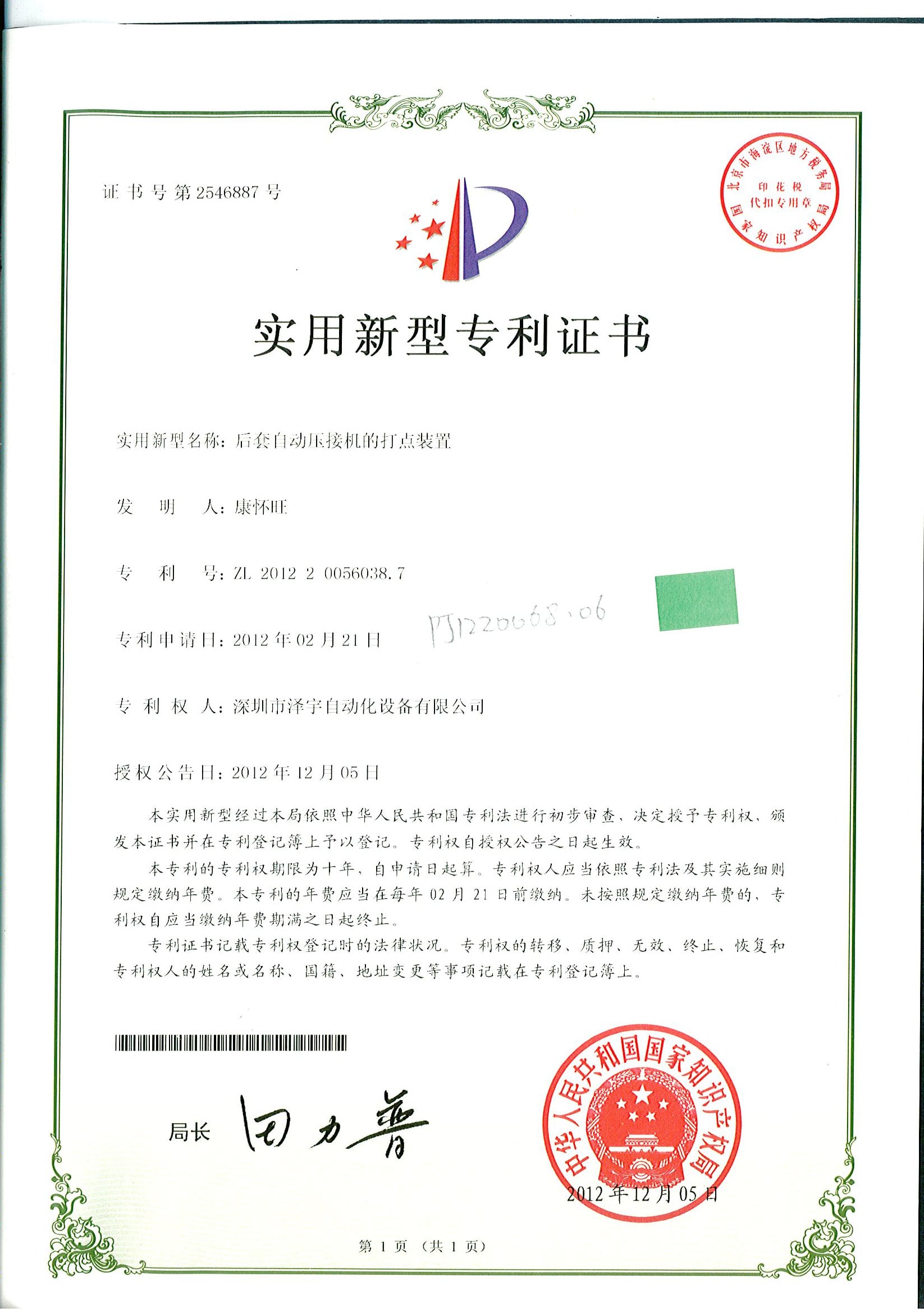
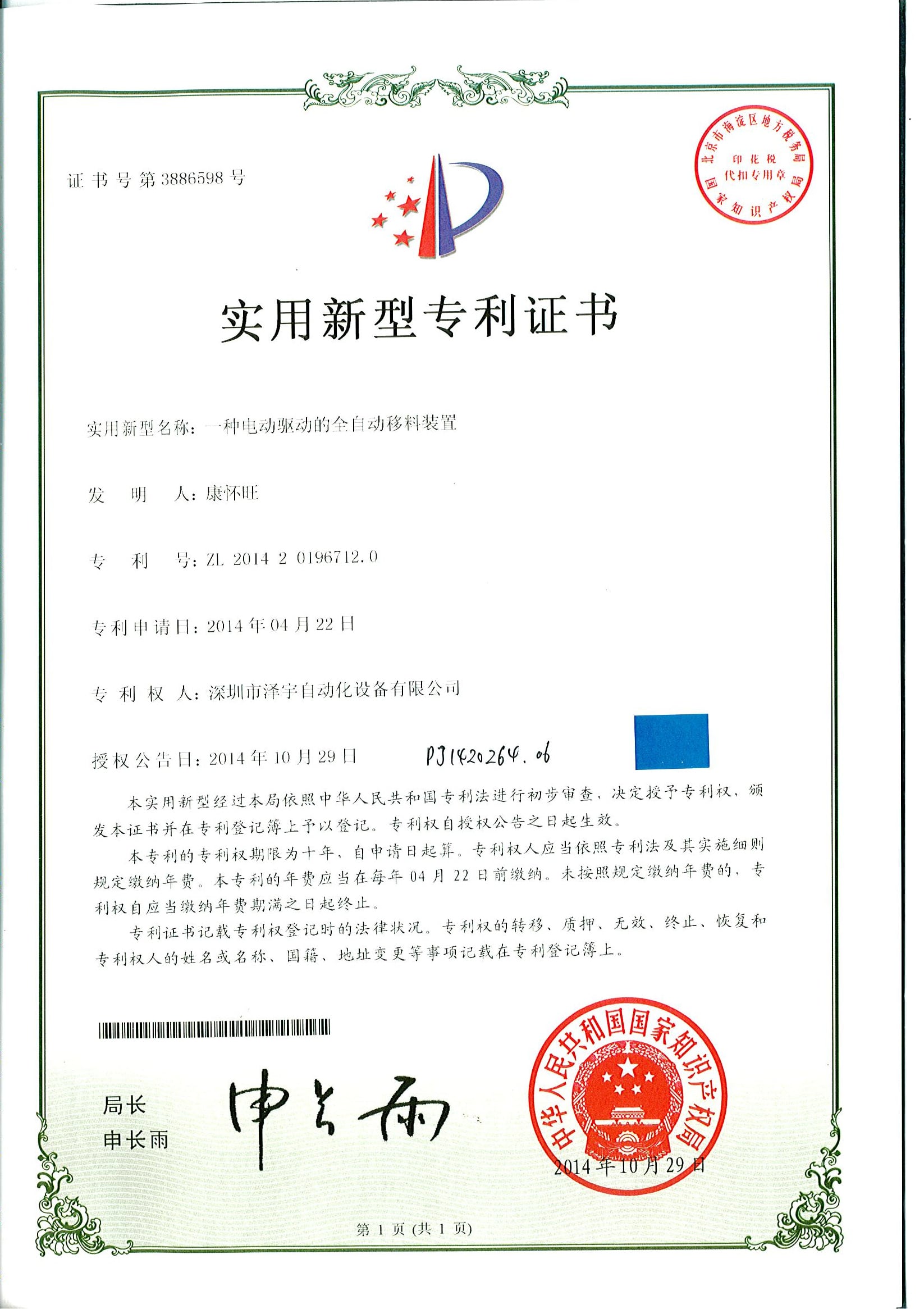
01 / 16
×
Engineering & Evaluation Tools
01
02
03
Automation Payback Estimator
A first-pass estimate using burdened labor cost — not just wages. Industry benchmark, not a ZEUEE quote.
Equipment Line Finder
Answer two questions to see which of ZEUEE’s five automation equipment lines fits your project.
Automation Supplier Vetting Checklist
Tick what your shortlisted supplier can actually prove. A real manufacturer scores 7–8; a middleman rarely clears 4.
WHY WE WRITE THIS
About ZEUEE Engineering Insights
ZEUEE shares technical guides based on real automation project experience. Since 2005, we have designed and manufactured non-standard automation equipment for connector assembly, wire harness production, robotic lines, vision inspection, and smart factory upgrades.
Founded in 2005
20,000 m² production base
120+ specialists
150+ R&D patents
ISO9001:2015 certified